Talk · 2024 · 中文
Making a Book, Caring for Each Other and the World做一本书,关怀彼此和世界
With the three hosts of the podcast Stochastic Volatility at the launch of their art mook 《格》: on editorship as care and companionship, how to talk about images, and a friendship that began in high school.
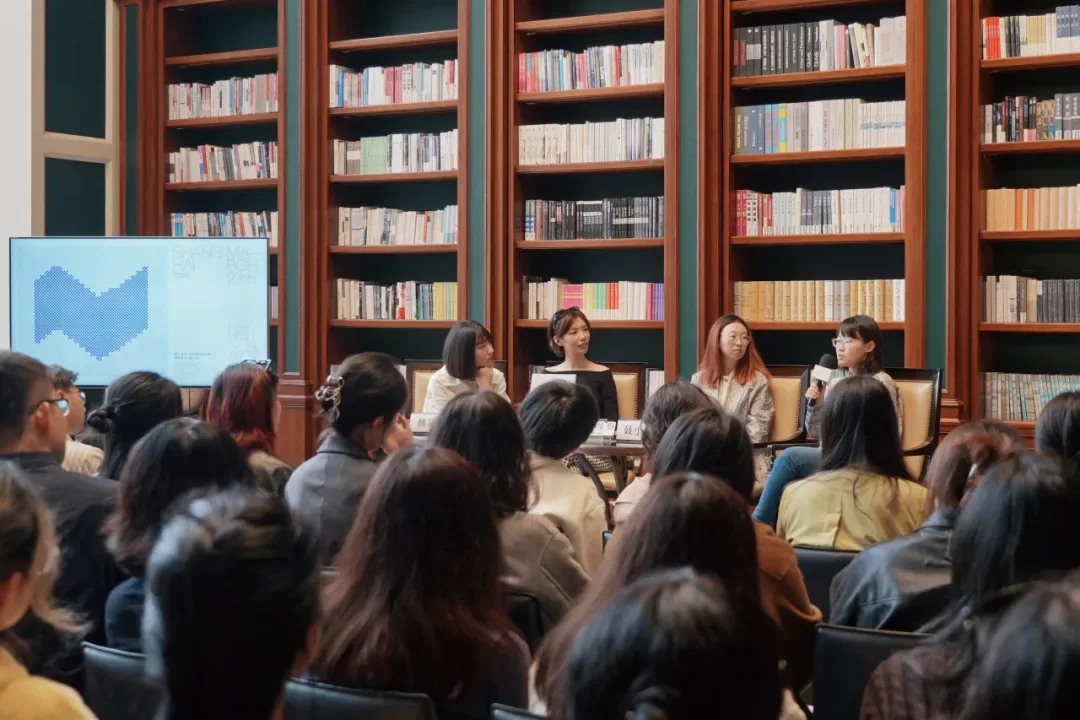
A talk for the launch of Grid 《格》, the art-themed mook edited by the podcast 随机波动 Stochastic Volatility, at JIC Books 建投书局, Shanghai, 23 March 2024. I was one of the book’s authors and its art adviser, and joined the three hosts – Fu Shiye, Zhang Zhiqi and Leng Jianguo – to talk about editing as a form of care, working with images, and a friendship with Zhiqi that goes back to high school. Below is the event recap published by the book’s publisher, 明室 Lucida.
编按:3月23日(上周六),播客「随机波动」的三位主创带着主题艺术Mook《格》在建投书局与大家见面了。这次活动有幸请到《格》的作者、艺术顾问聂小依参与对谈,聊聊如何在具体的杂志工作中实践对彼此和世界的关切。
通过她们的对谈,我们会了解到编辑们在幕后工作中那些不为人知的原则与快乐,她们对内容进行的缝缝补补,是在繁杂的世界中为读者,也为自己重建内心的秩序。同时,此次对谈嘉宾聂小依也是主创之一张之琪的高中同学,她们因编辑《格》的契机重逢,对彼此的关系进行了深入探讨:青春期竞争语境下的孤独和焦虑、穿插其中的相互支持、长大后,慢慢学着与彼此的不同之处和解……无不诠释着女性友谊的复杂与深度。
接下来就让我们走进本期活动回顾,了解编辑、出版的工作对我们的意义,以及如何在这份工作中,去创造和关怀。
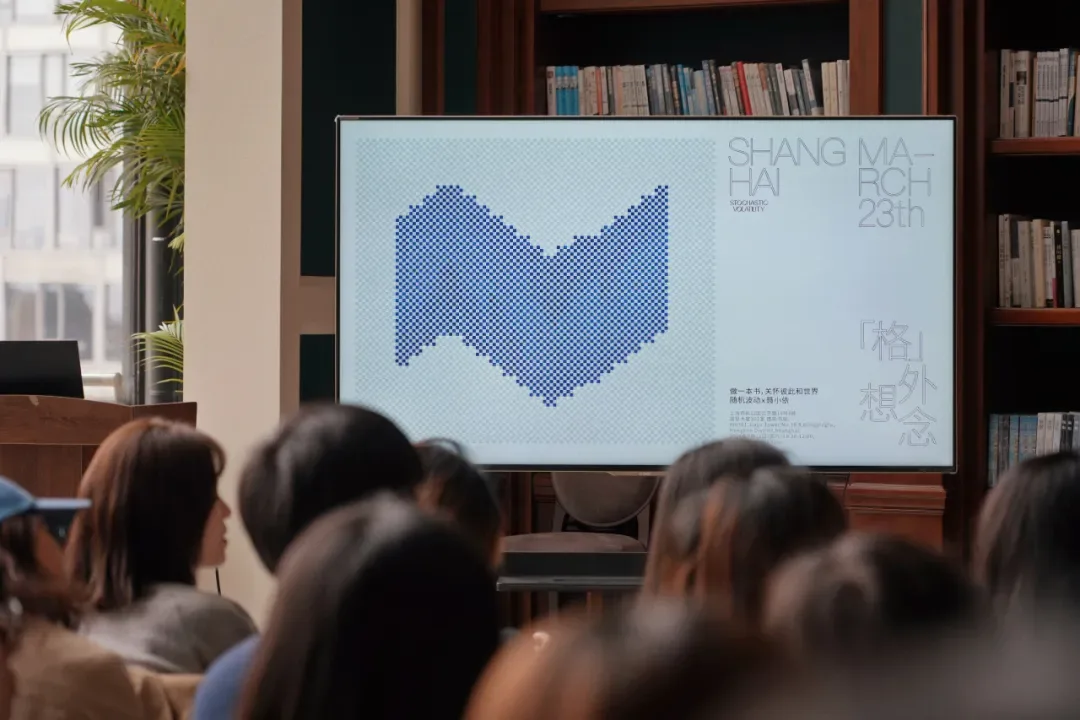
100多张高清“正版”图的背后
傅适野:我们今天现场也来了《网格城市》的作者郭博雅。她其实也是我的高中同学,这一本书有很多高中同学。她的文章直到最后出版前,我们还在商议版权的问题,因为里面有一个应该是荷兰艺术家的作品。这个作品的版权也非常复杂,我们先是联系了拥有这个作品的机构,这个机构说只要获得了艺术家本人的允许,就可以免费用这个图。
后来我们还通过郭博雅去联系了她的教授,联系了艺术家本人,发了很多邮件,才让这张图终于收录在了杂志里。所以就像建国和之琪刚刚说的,其实大家看到的这个书,它只是可能几百页这样一个作品,但背后其实有非常多人的努力。还有很多看不见的,我觉得它也可以算作一部分的 infrastructure,包括你怎么和一个系统或者官僚制打交道。我自己觉得版权问题确实是一个非常官僚的系统。你要发非常多邮件过去,有的时候甚至包括出版社也帮我们做了很多这种版权的工作,我们三个也做了很多这样的工作。
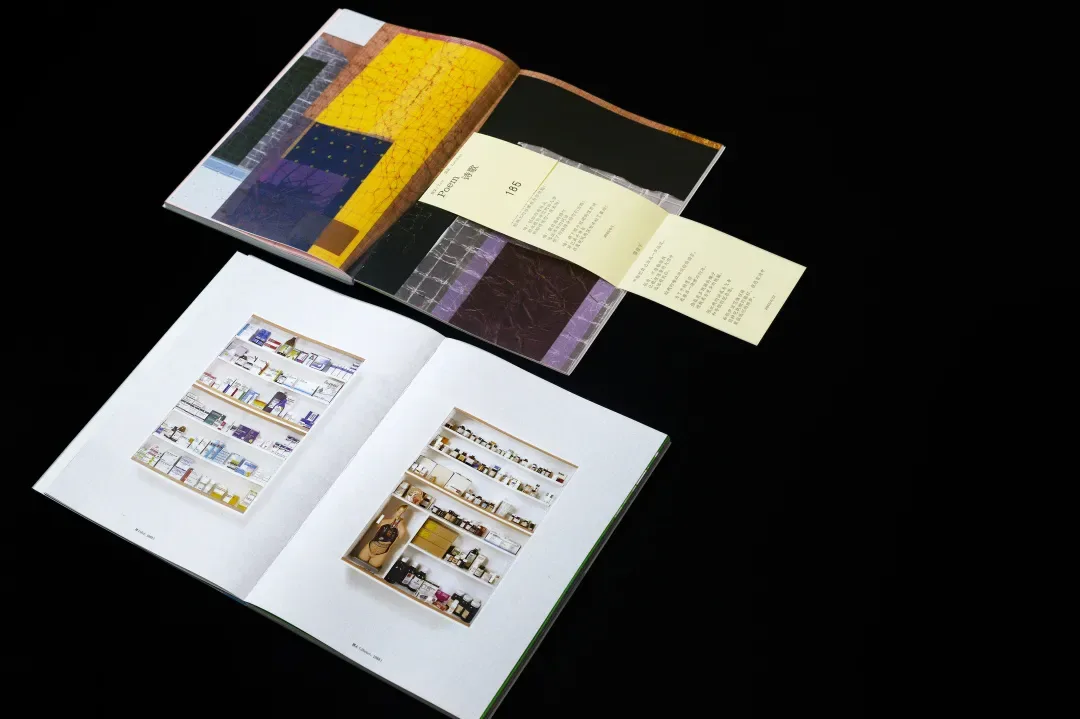
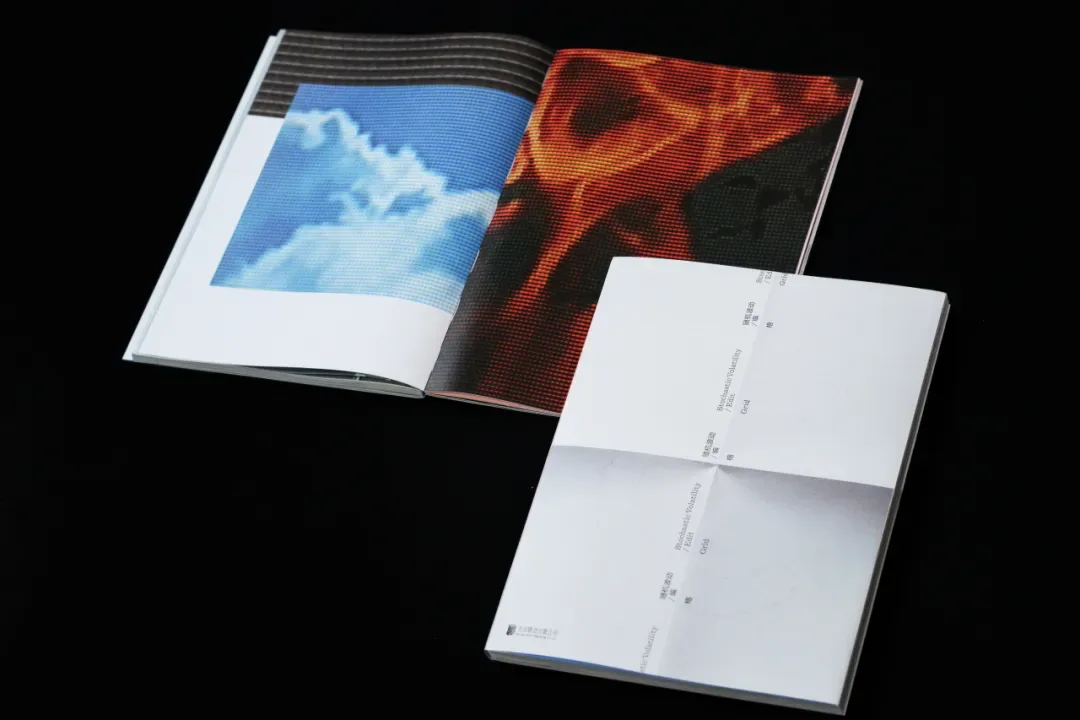
在这个过程中,有的时候你都不知道回邮件的到底是一个人还是一个机器,经常会有一些这样的时刻。以及公版这个概念本身它是不是有效?我们三个之前讨论很多,比如说 50 年以后它就是公版图,但实际上这个图又有一个所属的机构为它代理,这中间就多了非常多官僚的部分。我记得当时《格》的宣传语出版社写的是有 100 多张高清正版图,它是一个微妙的描述,你都能知道为什么要强调这个,仿佛是一个 marked 已经被标记了。说明很多时候做书,不需要强调,就是没有正版。而我们买了,出版社又想让我们的努力被大家看到,所以要用“高清正版图”。但是这话说出来又很奇怪,我们大家平常都默认其实这些图就是正版的,所以它有一个 twist 在里面,所以我当时看到这个我觉得很微妙。
冷建国:我记得我们当时联络版权的时候经常很挫败,因为人家就不回了,或者就是石沉大海。我们一直在群里探讨,如果大卫·格雷伯还活着,他到底会如何理解版权这件事情。
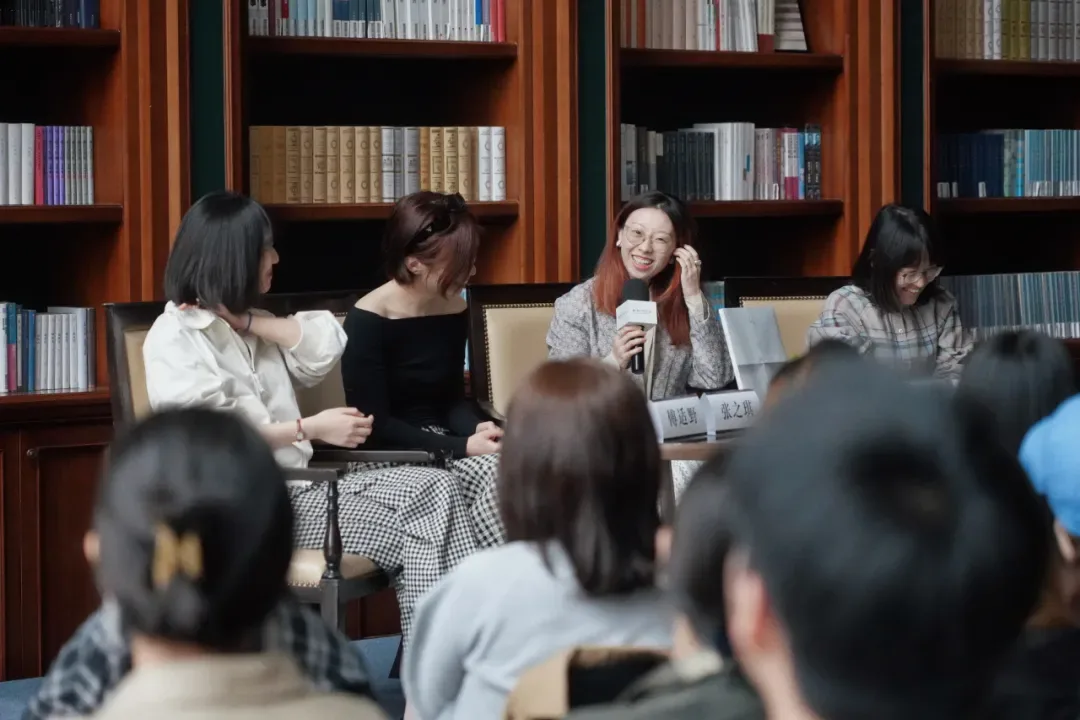
嘉宾聂小依,ArtReview中文版、《LEAP艺术界》资深编辑
用视觉也可以与人沟通?!
冷建国:我也有一个问题想跟小依探讨,在我们跟你沟通的过程中,以及我们跟其他视觉工作者或者设计师沟通的过程中,都会觉得沟通视觉内容是很困难的。比如我们跟一个作者约稿,包括李喆、林棹、汪老师,我们其实很容易表达我们想要一个什么样的稿件,它的主旨是什么、大概字数是怎么样、规范怎么样,就可以得到一篇相当不错的稿件,后续编辑沟通起来也比较顺畅。但是在视觉方面其实沟通是很难的,很难说清楚要怎样一种美。你是怎样在日常工作中处理这些语义不明的沟通的呢?
聂小依:就是承受挫败,而且承认自己的图商。我在一开始进去的时候,编辑部的同事们迅速地意识到虽然你这个 title 是 senior,但是其实是一个图商为 0 的熊猫人。我给大家解释一下什么是熊猫人。熊猫人的意思就是我的眼中只有纸和字。
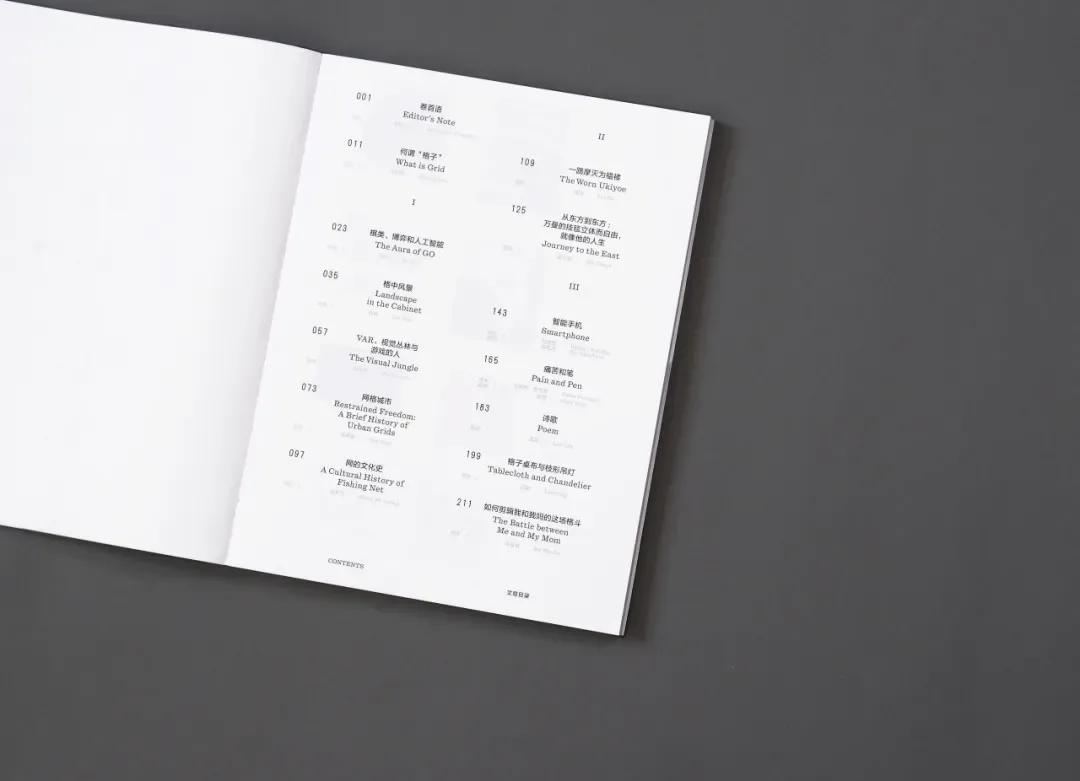
《格》目录
即便它是一个彩色的图片,我会迅速地用自己的熊猫滤镜,看这句话是在说什么,然后图呢,噢,这个图是为了解释字的内容的。这个情况下我选出来的图一般就非常丑,因为我会想这个图片的最大信息量是什么样子?这相当于是在两种介质里面。我做展览的时候会觉得作品很重要,文字是往后撤的;我去做杂志的时候会觉得,我基本上还是一个文字表达先行的人。我后来其实是在不断地接受挫败。我自己最近感触最深的就是你碰到很差的设计的时候,就会意识到好的设计为什么好,这个真的很重要。
我们最近另外一本杂志要和一位设计师进行沟通。一开始觉得一拍即合,太了解了,都很亚文化之类的。我就说好,开始做,结果第一稿这三个试稿出来之后,我非常地崩溃,想说好像不太对头,怎么办呢?我们作为甲方率先开始检讨自己,又请了一位视觉传达的好朋友做我们的中介沟通顾问。她给我们讲了你应该怎么样说,不要讲你喜欢的感觉或者你要做的东西是什么,你要说你喜欢的案子,比方说你喜欢《格》的话,《格》这本杂志里面你喜欢哪个部分?这个 logo 里面你喜欢它的什么部分?哪个颜色?然后举非常多的实际的例子,用视觉和视觉人沟通。这个是我自己最近的感触。
相信作者,相信读者,相信自己
聂小依:虽然大家一般来说会认为写作是一个独自工作的过程,但是编辑的角色其实很多时候是一个陪伴者。一篇稿子出来,可能最开始的时候有一个非常粗糙的 draft,这种情况一般是作者熬了一个通宵给你的稿子,肯定会有各种各样的小问题。这个时候作为编辑一定要先夸,“哇太好了”。
冷建国:我最开始和之琪适野认识,也是将近 10 年前,就是作为她们两个的编辑,然后这种工作关系——她们作为作者、我作为她们的编辑,持续了非常多年,持续到可能 2020 年左右。我编辑了两个人无数的稿件。我也挺温柔的,我记得。
张之琪:还是因为我们写的好啊。
冷建国:对对对,是很好的作者啦。
首先说《格》这本书,虽然我是这个编辑部里的编辑之一,但是我其实给作者留了非常大的空间。现在网络阅读,大家在 APP 上看一个文章,或者在网上看一个电子阅读的产品,其实篇幅是可以无限的,可以一屏一屏一直往下刷。但我反而认为网络阅读最好有一个 size 上的要求,它最好不要太长,虽然可以无限,但最好让文本做到有限。反而是这本书里,我没有对稿子做特别多的删改,当然有一些病句、错字我会调整,但是整个文本还是给作者留足了空间的。我觉得如果它是一个实体的介质,如果它有一个图文互动的比较充裕的空间,如果大家真的愿意翻开去一页一页读,我希望能把这个空间留给作者,希望它是充足的。当时没有催稿,对作者很 nice,也是因为这个杂志本身拖了很久,其实绝大多数稿件都是在我们想做这本书的第一年,大概 2021 年底或者 2022 年初就交到我们手里了。
所以我们这本书出版之前最后一轮校对工作是去校对里面的“今年”“去年”和“明年”分别是哪一年。当时我一直在所有的文字里搜,到底是哪一年,去明确它是到底 2021 年还是 2022 年。这本书的编辑周期对我来说也是相当长的,需要不断地回看文稿,不光是要确定哪一年,也要确定它是不是真的没有过时,以及它的文本在今天看是不是也是没有语病的。
我觉得文本是一个有时效性的东西。我春节期间也在帮《重走》的作者杨潇老师,看他的新书。我们两个都在聊,当时他的一些表达是“非常那个时候的”。有一些网络热门语言,不自觉地就会用到文本里面,这对于一个严格的、对自己要求很高的文字创作者来说其实是一个大忌。你如今再看“难受想哭”这种短语的时候,会觉得很奇怪,尤其是一个严肃读物在文章里用了大概 2018 年的网络热门语言,今天再出版就会让读者觉得非常莫名其妙。倒不是说读者一定忘了,而是觉得它出现得不合时宜。所以我在做试读的时候也是在跟杨潇交流,以后我们要如何谨慎地面对自己所使用的语言,如何保证自己的语言不要被一些所谓潮流、热门的用法所带偏?我重新看《格》里面的稿件的时候,其实也带着这样一种视角,就是把那些相对当时流行的东西过滤掉。
但是我平时作为一个媒体编辑,其实时效性是更强的,必须要保证每天都有稿件,不能让它开天窗,所以当时对我的两位作者朋友的催稿就会比对你要狠一点。但是我觉得我做编辑应该也是一个还挺 nice 的编辑。我不是那种高压强迫型,就是你必须要写这个、必须要按照我的想法写,我觉得我更多提供的也是一种支持性的工作。
我的出发点,第一个是相信我的作者。很可能我跟你对这件事情的观点是不一样的,但我要做的工作并不是要你写出我的观点,而是你要在你的观点上自圆其说,你在表达你的观点的时候是有自信的。而且我会帮作者完善这部分自信,如果你的架构哪里缺一块,或者你的素材哪里缺一块,我会尽我所能帮你补全,让你的文章做到所谓的自圆其说。第一个做编辑的要素是要相信你的作者。是要相信你们之间的这份合作的关系,虽然你们可能在一件具体的事情上看法是不同的。
第二个就是要相信你的读者。我在编辑一些可能出现在 APP 或者是微信公众号上的文章的时候,会非常希望它有一个理想的长度而不是无限长的一个原因就是,我觉得有一些道理,不需要反复说八遍,不需要一直用“虽然”“但是”“因为”“所以”,如果你能够表述得够清楚、够简洁、够有力量,你的读者是自己可以 get 到你的因果关系的。所以我可能反而对电子介质的作者要求会更严格,希望他们写得尽量简洁,要把信任传递给你的读者,你要相信他能读。可能这两个是我工作中的原则。

“帮助世界减少熵值”的 editorship
张之琪:我们刚开始做播客的时候,还是我们三个轮流剪辑。现在是我跟适野剪辑,建国不负责剪辑。我记得当时建国跟我们两个说,她觉得剪辑非常难,跟编稿子不一样。因为她觉得一个人说出来的话,声波曾经在物理介质当中存在过,她剪掉的时候会觉得在改写一段历史。
当时我们两个还交流过,我没有做过编辑,但是在媒体工作的时候也带过实习生嘛,就是要帮实习生改稿子。编辑对我来说是一个非常困难的工作,因为我觉得这是他的作品。不只是在物理空间中流过,而是他雕琢过,这个时候我不知道该不该帮他改,仿佛在强奸他的作品。但是如果只是声音,我会觉得它只是素材,我才是这个节目的作者。我不会觉得我在编辑别人的东西,我只是把一些素材整合在一起,这个就是我们对于编辑工作看法非常大的差别。
因为我跟适野都是建国的记者,我觉得跟她合作确实有一种很令人安心的感觉。一方面你知道她理解你在写什么,另外一方面她不会把她的理解强加在你的文章之上。但是我觉得跟编辑合作时间长也能了解他一些小的习惯,每个人都有自己的语言习惯,哪怕是再克制的编辑,也会在他的编辑过程中暴露他的语言习惯。我跟建国语言习惯非常不一样的一点,就是我是一个非常喜欢用逗号的人,我是一个喜欢写非常长的句子,不用句号、一直用逗号,喜欢把一个很短的句子都要隔出一个逗号的人。但是建国跟我相反,她喜欢一个句子没有太多逗号,很快有一个句号。这么多年她一定给我改了很多逗号,因为我后来看到那个稿子会发现我很多逗号都被她删掉了。
冷建国:我现在在编辑你写的按语的时候也会删逗号,或者把你们俩的逗号改成顿号。后来我觉得编辑工作是一种个人趣味,很多时候你的作者甚至也不会关注到那个逗号你改没改,或者你有没有改一个的地得。
张之琪:但是我们都关注到了。
冷建国:因为你们是创作者,但是其实那一个改动对读者来说的意义我觉得微不足道。但是它关系到你内心的秩序,就是那个逗号如果你不给它删掉,你就周身不适。
我还记得当时第一年做剩余价值的时候,我们做过一个大概又哭又笑的年终总结,在那里面之琪就提到很高兴能够让我从幕后来到台前。好像有这样一句话,说之前我一直是她们两个幕后的编辑,有了一个播客之后,好像我也跟她们一起来到了台前,被更多人知道。我记得当时很感动。虽然来到台前有台前的快乐,但是我觉得作为一个幕后工作者,那个乐趣也是难以比拟和难以超越的。作为编辑,改一个逗号也好、改一个错别字也好,都是我在帮助这个世界减少它的熵值。我会觉得通过我的缝缝补补,这个世界的混乱程度少了一点。所以我其实从幕后工作里获得了很多难以为外人道的快乐。
聂小依:在平常我们经常会去讨论作者,讨论作者性 authorship,但是非常少去讨论 editorship。我觉得这是应该更多被看见的,不管是做一本杂志,还是写一篇文章,探索未知的部分是最有意思的。一开始我帮你们出主意的时候,你们也不知道是什么情况,大家一起摸索着去找一个东西,那个状态就是特别好,对我来说吸引力是最大的。
冷建国:我电脑桌面上有一篇之琪 7 年前的文章,她那时候要写一篇跟高价宠物医疗和美容相关的文化评论。一直卡在那里没有写出来,现在还在我的电脑桌面。
张之琪:文章的开头好像是一个墓地,好像是宠物墓地。
冷建国:我觉得 editorship 本质上是一种关系性的东西。其实是你在跟作者两个人互相信任、彼此搀扶往前走的过程中的一个东西。因为编辑毕竟不是执笔那个人。其实你是搀扶着那个人往前走,有点像一个康复科医生。所以我就是会保留很多作者的废稿。有的时候其实作者默认为“我不想再写了”,但是我这边还是留着,我觉得他某一天可能还会想把它写出来吧。
我觉得这种 editorship 的关系性也体现在,当世界已经忘了这篇文章的存在,编辑跟作者还记得。
张之琪:我觉得是编辑记得,我俩不一定记得。
傅适野:其实我刚刚在想,因为我最近开始和建国一起爬山,建国刚刚讲编辑的这种感受的时候,我会觉得建国做的编辑工作,她对于我们俩来说都像一个登山杖一样的存在。
逃出“格”斗,拥抱友谊
傅适野:不如说一下这次合作你们作为同学的感受是怎么样的吧?
聂小依:我有挺强的认知,就是要把对方当做一个新的人去对待。这个很有意思,因为从高中的时候就认识,知道对方非常多的黑历史。美丽是一样的美丽,从高中到现在。但是她也知道我失足的时刻。这种情况下,你在做一个事情的时候,那个东西对我来说是要往后退的。
是完全地相信和理解对方现在想要做的事情是什么,把原来对方关心的成分拿到现在的此时此刻来。经过这么多年,我自己在外面读书、追求自己的专业,大家其实是要重新互相认识的过程。这种重新认识对我来说非常重要。
张之琪:我就是觉得有一种殊途同归的感觉。我记得之前有一次好像给小依还发过微信,就是说我们认识的时候是在同一个起点,中间大家经历了非常不同的人生,可能有一度觉得这个人跟我好像没什么关系了,我们也没有特别频繁地联系,也很少见面。后来再因为工作或者什么时候遇到彼此的时候,我会觉得好像我们又回到了同一个地方。我们还是可以一起工作,还是可以,就像你说的保留那种熟悉的感觉,但同时又是两个新的人。
很多时候你跟朋友认识的起点是你无法选择的。
傅适野:我觉得确实是这样,我跟郭博雅,其实我们在高中的时候,她是我同宿舍的一个女生很好的朋友,我们并没有直接地接触过。后来是因为她也到国外读书,我也到国外读书,我们有一个馆际互借的系统,她借到了一本我曾经借过的书。她就找我一个朋友要了我的微信,我们两个才加上。
到了我们有这个杂志项目之后,我也知道她在做的就是有关城市规划的研究,所以跟她约了稿件。但是其实在高中毕业之后,我俩从来都没有见过。所以可能也有点像之琪说的。不过还好,我觉得很开心,你在年轻的时候认识的朋友,你发现到现在我们还是关心同样的事情。虽然我们所处的世界已经完全不是那个世界了,但是我们仍然关心现在所处的这个世界,也希望它变得更好,就是觉得很开心。
聂小依:我有一种很强烈的欣慰的感觉。这个欣慰不是说为对方开心,我会觉得高中的时候,有很多的压力,包括身边有很多很优秀的女性的时候。其实在那个时候同学之间,比方说之琪在化妆,我是不是也要去学一下?就是会有一些这样的小小的压力。但是在 30 岁左右,这种联系再次建立的时候,你就会好高兴,真正地为对方开心。
张之琪:我觉得女性在年轻的时候,尤其是在小的时候,其实是被迫被置于一种要互相比较的环境里面。尤其是我们在应试的环境里,其实你是很难不跟别人去比较的。那种竞争其实对友谊有很大的消磨的。我跟小依其实已经算是当时非常好的朋友,但是紧张感一直存在于两个人的友谊当中。并不是我们现在对于朋友的那种感觉,可能我们之间的紧张感是在于我们是不同的人。当时我们并不是因为这样的原因而产生紧张感,因为你被动地放置在那样一个环境里,不断地被别人比较。
你内化了那种比较的感受,我觉得那个其实是年轻的时候女孩经常会觉得很孤独的原因。好像社会觉得女性和女性之间其实是没有所谓真正的友谊的,但是你越来越长大之后,你才发现就是因为那个环境,而并不是因为我们本身不可以成为好朋友,或者不是因为我们本身是不同的人、是彼此不认可的人,而是因为那个环境被迫施加在你身上的那种感受。
聂小依:突然悟了一个点,那种紧张感是为什么?回想起当时我和之琪的关系,有一个互相打掩护的关系,互相打掩护是因为我们彼此和当时的恋人之间的关系。回想起来这个最亲密的时刻,其实是用女性的友谊作为当时恋情的 cover,一个掩护的过程。女性的友谊是在虚虚实实的过程中。之前我们每次聊起认识很久的时候都会说,我们知道太多对方的黑历史了。所谓这些黑历史其实都是和当时的恋人的故事。但是为什么在当时说起来全都是这样的打掩护的过程,而不是女性内部之间的互相支持?
冷建国:我昨天来上海的高铁上在看伯娜丁·埃瓦里斯托的新书,叫《致你:一部宣言》。她也是前几年的一届布克文学奖的得主,得奖的作品是《女孩,女人,其他》,可能有一些读者朋友看到过。她作为一个在爱尔兰生活的混血人,父亲来自尼日利亚、妈妈是英国人,她讲到有一位女性朋友对自己有多重要。她最久的一位朋友,她们结识了 50 年。她妈妈有一个女性朋友,也是在跨种族婚姻中对她提供了非常多的支持,她们的友谊持续了 83 年。其实我们还任重道远,还有很长的路要走。
伯娜丁提到跟她的黑人女性朋友建立友谊,可能最开始是因为自己是社会上的边缘人,是少数族裔,是不被主流接受的女同性恋者。再后来会发现她们在相处过程中反而是因为越来越多地面对彼此的不同之处,越来越多地面对彼此的分歧,彼此走上不同的人生道路、不同的人生选择。这个时候还能维持一份友谊,才能成为一份跨世纪的,并且对自己意义重大的友谊。大家先是因为是一样的人走到了一起,才能发现原来大家是不一样,并且我们还会坚定地走下去。
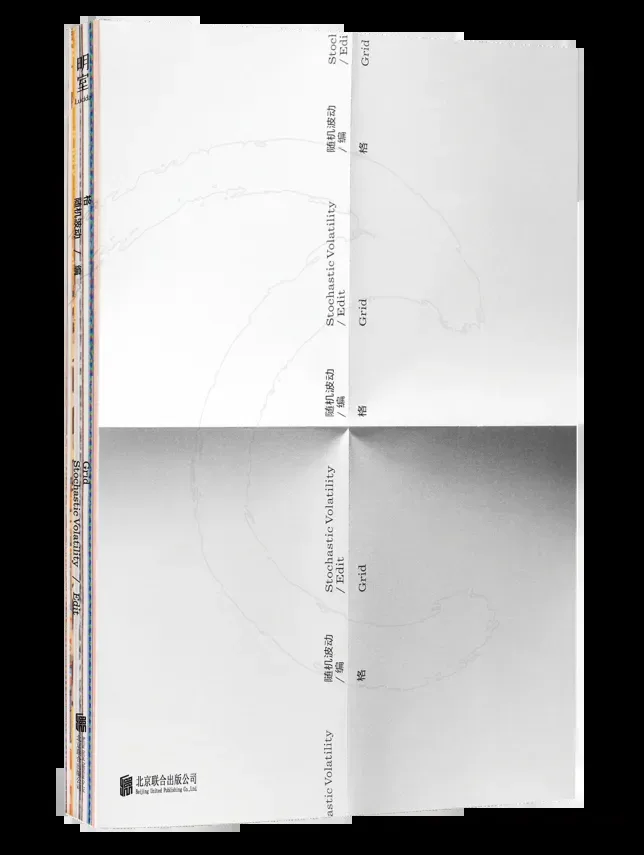
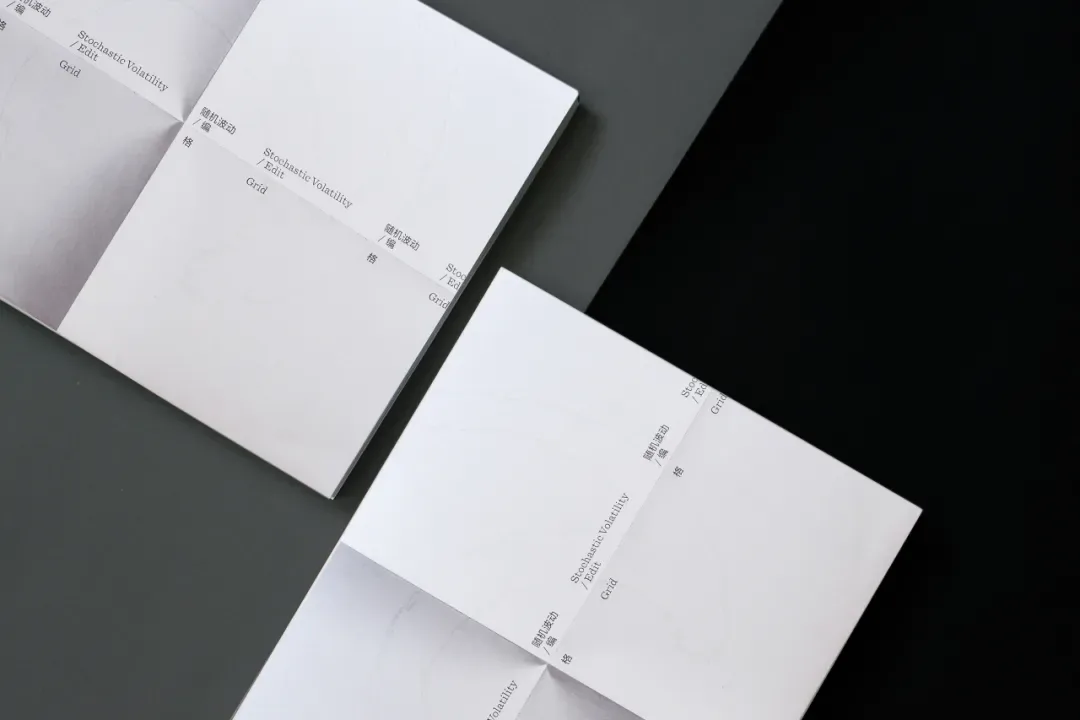
《格》,随机波动 编,北京联合出版公司 / 明室 Lucida 出品
Machine translation (AI) of the Chinese original, not yet reviewed by the author. Please cite the original.
A talk for the launch of Grid 《格》, the art-themed mook edited by the podcast 随机波动 Stochastic Volatility, at JIC Books 建投书局, Shanghai, 23 March 2024. I was one of the book’s authors and its art adviser, and joined the three hosts – Fu Shiye, Zhang Zhiqi and Leng Jianguo – to talk about editing as a form of care, working with images, and a friendship with Zhiqi that goes back to high school. Below is the event recap published by the book’s publisher, 明室 Lucida.
Editor’s note: On 23 March (last Saturday), the three creators of the podcast Stochastic Volatility brought their art-themed mook Grid (《格》) to JIC Books to meet readers. We were lucky to have Nie Xiaoyi, one of Grid’s authors and its art adviser, join the conversation and talk about how concern for one another and for the world can be put into practice in the concrete work of making a magazine.
Through their conversation we learn about the little-known principles and pleasures of editors’ behind-the-scenes work: the patching and mending they do to the content is a way of rebuilding an inner order, for readers and for themselves, in a cluttered world. The guest, Nie Xiaoyi, was also a high-school classmate of Zhang Zhiqi, one of the three creators. Reunited through the editing of Grid, they talked in depth about their relationship: the loneliness and anxiety of adolescence in a climate of competition, the mutual support threaded through it, and then, as adults, slowly learning to make peace with each other’s differences… All of it speaks to the complexity and depth of friendship between women.
So let’s step into this event recap, to see what the work of editing and publishing means to us, and how, within that work, we can create and care.
Behind the 100-plus high-resolution “licensed” images
Fu Shiye: Guo Boya, the author of “Grid City” (《网格城市》), is here with us today too. She’s actually a high-school classmate of mine – this book has a lot of high-school classmates in it. Right up until just before publication we were still discussing copyright for her piece, because it includes a work by an artist who I think is Dutch. The copyright for this work was very complicated too. We first contacted the institution that holds the work, and they said that as long as we had the artist’s own permission, we could use the image for free.
Then, through Guo Boya, we got in touch with her professor, and with the artist in person, and sent a lot of emails, before that image finally made it into the magazine. So, as Jianguo and Zhiqi were just saying, the book you see is just a piece of work a few hundred pages long, but behind it there’s the effort of a great many people. And there’s a lot that can’t be seen, which I think also counts as part of the infrastructure – including how you deal with a system, or a bureaucracy. I do think copyright is a very bureaucratic system. You have to send an awful lot of emails. Sometimes even the publisher did a lot of this copyright work for us, and the three of us did a lot of it ourselves.
Along the way, sometimes you don’t even know whether it’s a person or a machine answering your emails – there were often moments like that. And then, is the concept of the public domain itself even valid? The three of us talked about this a lot. Say that after 50 years an image enters the public domain – but in practice there’s still an institution that owns it and acts as its agent, and that adds a great deal of bureaucracy in between. I remember the publisher’s promotional line for Grid said it has more than 100 high-resolution licensed images. It’s a subtle description. You can tell why they’d want to stress it: it’s as if it were “marked” – already flagged as the exception. It tells you that a lot of the time, when books get made, nobody needs to spell it out: the images simply aren’t licensed. Whereas we paid for them, and the publisher wanted people to see our efforts, hence “high-resolution licensed images”. But it’s an odd thing to say out loud, because normally we all just assume these images are licensed. So there’s a twist in it, and when I saw the line I found it rather subtle.
Leng Jianguo: I remember we were often really deflated when we were chasing copyright, because people just stopped replying, or the message sank without trace. We kept discussing it in our group chat: if David Graeber were still alive, how on earth would he make sense of this business of copyright?
Guest speaker Nie Xiaoyi, senior editor at ArtReview China and LEAP
You can communicate with people visually, too?!
Leng Jianguo: I also have a question I’d like to explore with Xiaoyi. In the course of communicating with you, and with other people who work visually, or with designers, we’ve always felt that communicating about visual content is very difficult. When we commission a writer – Li Zhe, Lin Zhao, Professor Wang – it’s actually easy to say what kind of piece we want: what its main point is, roughly how many words, what the house style is. And we get a pretty good piece back, and the editing conversation afterwards goes fairly smoothly. But on the visual side communication is really hard. It’s very hard to say clearly what kind of beauty you’re after. How do you handle this kind of semantically fuzzy communication in your day-to-day work?
Nie Xiaoyi: You just take the setbacks, and admit your own “image IQ”. When I first joined, my colleagues in the editorial team very quickly realised that although my title said “senior”, I was actually a panda person with an image IQ of zero. Let me explain what a panda person is. A panda person means that all I can see is paper and words – black and white.
Contents page of Grid
Even if it’s a colour picture, I’ll quickly put on my panda filter: what is this sentence saying, and the picture – oh, the picture is there to explain what the words say. The pictures I pick that way are usually very ugly, because I’m thinking: what would the image carrying the most information look like? It’s like being in two different media. When I make exhibitions I feel the works are what matter and the text steps back; when I go and make a magazine, I find I’m basically still someone who puts verbal expression first. After that it was really a matter of accepting one setback after another. What’s struck me most lately is that when you run into really bad design, you realise why good design is good – and that really matters.
Recently, for another magazine of ours, we needed to work with a designer. At first we felt we’d clicked straight away – we understood each other so well, we were all very subculture, that sort of thing. So I said great, let’s start. But when the first round came back – three trial layouts – I fell apart. I thought, something’s not quite right here, what do we do? As the client, we started by examining ourselves, and we also asked a good friend who works in visual communication to be our go-between and communication adviser. She told us how you should put things: don’t talk about the feeling you like or what it is you want to make; talk about the projects you like. Say you like Grid – which part of the magazine do you like? What is it about this logo that you like? Which colour? And then give lots and lots of actual examples, and use visuals to communicate with visual people. That’s what I’ve been taking in lately.
Trust the author, trust the reader, trust yourself
Nie Xiaoyi: People generally think of writing as a solitary process, but very often the editor’s role is that of a companion. When a piece comes in, it may start out as a very rough draft – usually it’s something the author has stayed up all night to get to you, so it’s bound to have all sorts of little problems. At that point, as the editor, you absolutely have to praise it first: “Wow, this is great.”
Leng Jianguo: I first got to know Zhiqi and Shiye nearly ten years ago, too, as their editor. And that working relationship – them as the writers, me as their editor – went on for a great many years, until around 2020 or so. I edited countless pieces by the two of them. And I was pretty gentle, as I remember.
Zhang Zhiqi: That’s because we wrote so well.
Leng Jianguo: Yes, yes, yes – very good writers.
To start with Grid: although I’m one of the editors on this editorial team, I actually left the authors a great deal of room. With online reading these days – people reading an article in an app, or some e-reading product on the web – length can in fact be unlimited; you can keep scrolling down, screen after screen. But I think it’s online reading, if anything, that ought to have some constraint on size. It had better not be too long: it can be infinite, but it’s best to keep the text finite. In this book, by contrast, I didn’t cut or change the pieces very much. Of course I fixed some faulty sentences and typos, but overall the texts left plenty of room for the authors. I feel that if it’s a physical medium, if there’s fairly generous space for text and image to interact, if people really are willing to open it and read it page by page, then I want to leave that space to the author, and I want it to be ample. I didn’t chase anyone for copy at the time and was very nice to the authors – and that was also because the magazine itself dragged on for so long. In fact the vast majority of the pieces were handed in to us in the first year we set out to make this book, around the end of 2021 or the start of 2022.
So our last round of proofreading before the book came out was checking which year each “this year”, “last year” and “next year” in it actually referred to. I kept searching through all the text – which year is it? – to pin down whether it was 2021 or 2022. The editing cycle for this book was pretty long for me, too. I had to keep going back over the manuscripts, not only to settle which year was meant, but also to make sure they really hadn’t dated, and that the text, read today, was still free of slips in the language.
I think text is something with a shelf life. Over the Spring Festival I was also helping Yang Xiao, the author of Retracing the Road (《重走》), by reading his new book. The two of us were talking about how some of the expressions he’d used were “very much of that moment”. Some bits of trending internet slang find their way into a text without your noticing, and for a rigorous writer who holds themselves to a high standard, that’s really a cardinal sin. When you look now at a phrase like “feel awful, want to cry” (难受想哭), it seems very strange – especially when a serious book has used internet slang from around 2018 in one of its essays. Published again today, it would leave readers completely baffled. It’s not that readers will necessarily have forgotten it; it just feels out of place. So while I was doing that advance read I was also discussing with Yang Xiao how carefully we ought to treat the language we use from now on, and how to make sure our language isn’t led astray by so-called trendy, popular usages. When I reread the pieces in Grid, I was looking with that eye too – filtering out the things that were relatively fashionable at the time.
But in my usual job as a media editor, timeliness matters much more. You have to make sure there’s copy every day and can’t leave a blank on the page, so back then I chased my two writer friends rather harder than I chased you. Still, I think that as editors go I was a pretty nice one. I’m not the high-pressure, coercive type – you must write this, you must write it the way I think. I feel that what I offered was more a kind of supportive work.
My starting point is, first, to trust my author. It may well be that you and I see the matter differently, but my job isn’t to get you to write my view; it’s for you to make your own view hold together, and to be confident when you express it. And I’ll help the author shore up that confidence: if there’s a piece missing somewhere in your structure, or somewhere in your material, I’ll do everything I can to help you fill it in, so that your piece does what they call holding together. The first essential of being an editor is to trust your author – to trust the collaborative relationship between you, even though you may see a particular matter differently.
The second is to trust your reader. When I edit pieces that might appear in an app or on a WeChat public account, one reason I very much want them to have an ideal length rather than running on for ever is that I think some points don’t need repeating eight times over, and you don’t need to keep using “although”, “but”, “because”, “so”. If you can put it clearly enough, concisely enough, forcefully enough, your readers can get your cause and effect for themselves. So I may actually be stricter with authors writing for digital media, and want them to write as concisely as they can. You have to pass that trust on to your reader; you have to believe they can read. Those are probably my two principles at work.
An editorship that “helps the world reduce its entropy”
Zhang Zhiqi: When we first started the podcast, the three of us took turns editing the audio. Now Shiye and I do the editing, and Jianguo doesn’t. I remember Jianguo telling the two of us back then that she found audio editing very hard, and not like editing copy. Because, she felt, when someone has said something, those sound waves once existed in a physical medium, and cutting them out felt to her like rewriting a piece of history.
The two of us talked about it at the time. I’ve never worked as an editor, but when I worked in the media I did supervise interns, you know, which meant helping them revise their pieces. Editing is very difficult work for me, because I feel: this is his work. It hasn’t just passed through physical space; he has crafted it. At that point I don’t know whether I should be changing it for him – it feels like violating his work. But if it’s only sound, I feel it’s just raw material, and I am the author of the programme. I don’t feel I’m editing something that belongs to someone else; I’m just putting some material together. That’s a very big difference in how we see the work of editing.
Since Shiye and I were both Jianguo’s reporters, I do think working with her gives you a very reassuring feeling. On the one hand you know she understands what you’re writing; on the other, she won’t impose her understanding on your piece. But I think that when you work with an editor for a long time you also get to know their little habits. Everyone has their own habits of language, and even the most restrained editor will give theirs away in the course of editing. One way in which Jianguo’s and my habits are very different is that I’m someone who really loves commas. I like writing very long sentences, with no full stops, just comma after comma; I’m the sort of person who’ll break up even a very short sentence with a comma. Jianguo is the opposite: she likes a sentence without too many commas that gets to a full stop quickly. Over all these years she must have changed a lot of my commas, because when I looked at the pieces afterwards I’d find that lots of my commas had been deleted.
Leng Jianguo: Even now, when I edit the introductory notes you write, I delete commas, or change your commas – both of yours – into enumeration commas (、). Later I came to feel that editing is a matter of personal taste. A lot of the time your author won’t even notice whether you changed that comma, or whether you corrected one of the three de particles (的, 地, 得).
Zhang Zhiqi: But we both noticed.
Leng Jianguo: Because you’re creators. But really, I think the significance of that one change for the reader is negligible. It has to do with your inner order, though – if you don’t delete that comma, you feel uncomfortable all over.
I still remember that in our first year, when we were making Surplus Value, as the podcast was then called, we did a sort of laughing-and-crying year-end review, and in it Zhiqi said how happy she was to have brought me from behind the scenes to the front of the stage. There was a line something like that: that I’d always been the editor behind the two of them, and now that there was a podcast, it was as if I’d come out front with them and become known to more people. I remember being very moved. Coming out front has its own pleasures, but I think the enjoyment of working behind the scenes is also hard to match and hard to beat. As an editor, whether I’m changing a comma or correcting a typo, I’m helping this world reduce its entropy. I feel that through my patching and mending, the world is a little less chaotic. So I’ve actually got a lot of joy out of behind-the-scenes work that’s hard to explain to outsiders.
Nie Xiaoyi: We often discuss authors, discuss authorship, but we very rarely discuss editorship. I think it deserves to be seen more. Whether you’re making a magazine or writing an essay, exploring the unknown part is the most interesting thing. When I first started giving you ideas, you didn’t know how things stood either; everyone was feeling their way together towards something, and that state is just wonderful – it’s what attracts me most.
Leng Jianguo: On my computer desktop there’s a piece of Zhiqi’s from seven years ago. She was going to write a piece of cultural criticism about high-priced medical care and grooming for pets. She got stuck and never finished it, and it’s still on my desktop.
Zhang Zhiqi: I think the piece opened in a cemetery – a pet cemetery, I think.
Leng Jianguo: I think editorship is essentially something relational. It’s something that exists in the process of you and the author, the two of you, trusting each other and holding each other up as you move forward. Because the editor is, after all, not the one holding the pen. Really you’re supporting that person as they walk forward, a bit like a rehabilitation doctor. So I keep a lot of authors’ abandoned drafts. Sometimes the author has tacitly decided, “I don’t want to write this any more”, but I still keep it on my side; I feel that one day they might want to write it after all.
I think the relational nature of editorship also shows in this: when the world has already forgotten that a piece exists, the editor and the author still remember.
Zhang Zhiqi: I think it’s the editor who remembers. The two of us don’t necessarily.
Fu Shiye: Actually, I was just thinking – because I’ve recently started going hiking with Jianguo – when Jianguo was talking just now about how editing feels, I thought that in the editing she does, she’s been something like a trekking pole for the two of us.
Escaping the “grid”lock, embracing friendship
Fu Shiye: Why don’t you tell us how this collaboration felt for the two of you, as classmates?
Nie Xiaoyi: I’m quite conscious that I need to treat the other person as a new person. It’s interesting, because having known each other since high school, we know a great deal of each other’s embarrassing history. She’s as beautiful as ever, from high school to now. But she also knows the moments when I went astray. In that situation, when you’re working on something together, all of that, for me, has to step back.
It’s about completely trusting and understanding what the other person wants to do now, and bringing what she cared about back then into the here and now. After all these years – with me off studying elsewhere, pursuing my own field – it’s really a process of everyone getting to know each other again. That getting to know each other again matters a lot to me.
Zhang Zhiqi: I just have this feeling of different roads leading to the same place. I remember once sending Xiaoyi a WeChat message, I think, saying that when we met we were at the same starting point, and in between we each went through very different lives. There may have been a time when I felt this person didn’t really have much to do with me any more; we weren’t in touch very often, and we rarely met. Then later, when we came across each other again through work or whatever it was, I felt as though we’d come back to the same place. We can still work together, we can still – as you said – keep that feeling of familiarity, and yet at the same time be two new people.
A lot of the time, the point at which you get to know a friend is not something you can choose.
Fu Shiye: I think that’s really true. With Guo Boya and me – in high school she was a very good friend of a girl in my dormitory, and the two of us never had any direct contact. Later, because she went abroad to study and so did I, and we had an interlibrary loan system, she borrowed a book that I had once borrowed. She asked a friend of mine for my WeChat, and only then did the two of us add each other.
Once we had this magazine project, I also knew that what she was working on was research to do with urban planning, so I commissioned a piece from her. But actually, since graduating from high school, the two of us had never once met. So it may be a bit like what Zhiqi said. Still, I’m very happy: with the friends you made when you were young, you find that even now we still care about the same things. The world we live in is no longer that world at all, but we still care about the world we’re in now, and hope it gets better. That just makes me very happy.
Nie Xiaoyi: I have a very strong feeling of gladness and relief. And by that I don’t mean being happy for the other person. I think that in high school there was a lot of pressure, including from having lots of very outstanding women around you. Among classmates back then – say Zhiqi was putting on make-up: should I be learning to do that too? There were small pressures like that. But at around 30, when that connection is made again, you’re just so glad – genuinely happy for the other person.
Zhang Zhiqi: I think women, when they’re young, and especially when they’re little, are really forced into an environment where they have to be compared with one another. Especially in the exam-driven environment we were in, it’s very hard not to compare yourself with other people. That kind of competition really wears a friendship down. Xiaoyi and I already counted as very good friends back then, but there was always a tension in our friendship. It wasn’t the feeling we have about friends now, where the tension between us may lie in the fact that we’re different people. Back then that wasn’t why the tension arose; it was because you’d been passively placed in that kind of environment, constantly being compared by other people.
You internalised that feeling of being compared, and I think that’s why girls often feel very lonely when they’re young. It’s as if society thinks there’s no such thing as real friendship between women. But as you grow older you discover that it was because of that environment – not because we couldn’t be good friends in ourselves, or because we were different people who didn’t think much of each other, but because of that feeling the environment forced on you.
Nie Xiaoyi: Something has just clicked for me: why was there that tension? Thinking back to my relationship with Zhiqi then, we had this arrangement of covering for each other, and we covered for each other because of our relationships with the people each of us was going out with at the time. Looking back, that most intimate moment was really about using women’s friendship as the cover for those romances – a process of providing cover. Women’s friendship existed somewhere between the real and the pretend. Whenever we talked before about having known each other for so long, we’d say that we know far too much of each other’s embarrassing history. And that so-called embarrassing history is really all stories about the people we were seeing then. But why is it that, when we talk about those days, it’s all this business of covering for each other, rather than support among women themselves?
Leng Jianguo: On the high-speed train to Shanghai yesterday I was reading Bernardine Evaristo’s new book, Manifesto: On Never Giving Up. She also won the Booker Prize a few years back, for Girl, Woman, Other, which some of the readers here may have come across. As a mixed-race person living in Ireland, with a father from Nigeria and a British mother, she talks about how much having a woman friend has mattered to her. Her longest-standing friend – they’ve known each other for 50 years. Her mother had a woman friend, too, who gave her a great deal of support in her interracial marriage, and their friendship lasted 83 years. We really do have a long way still to go.
Bernardine says that the friendships she built with her Black women friends may at first have come about because she was on the margins of society, from an ethnic minority, a lesbian not accepted by the mainstream. Later on she found that, in the time they spent together, it was actually through facing more and more of each other’s differences, more and more of each other’s disagreements, as each of them took a different path in life and made different life choices. To be able to keep a friendship going at that point is what makes it a friendship that spans the turn of a century and means a great deal to you. People first come together because they’re the same, and only then can they discover that they’re actually different – and that we’ll still keep going, resolutely.
Grid (《格》), edited by Stochastic Volatility, published by Beijing United Publishing Co. / Lucida 明室