Writing / criticism · 2017 · 中文
Wolfgang Tillmans' Tate Solo Show: Politics and Poetry in "2017"沃尔夫冈·提尔门斯的泰特个展:"2017"里的政治与诗意
展评:泰特现代美术馆"Wolfgang Tillmans: 2017",讨论提尔门斯私密影像与脱欧等政治议题之间的张力。
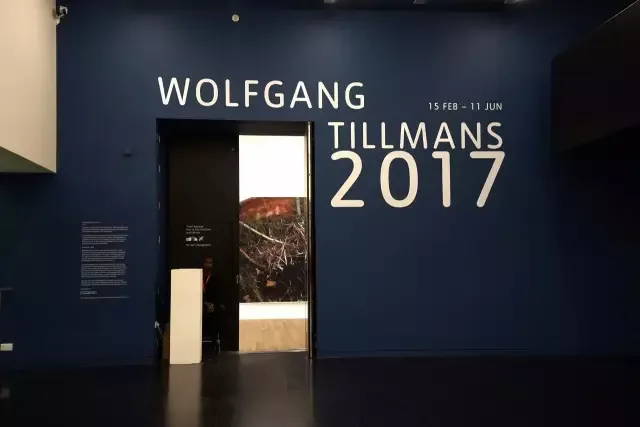
“Wolfgang Tillmans:2017” 展览现场
暌违伦敦7年后,沃尔夫冈·提尔门斯(Wolfgang Tillmans)的个⼈展览“2017”于2月14⽇在泰特现代美术馆(Tate Modern)开幕。占据美术馆三楼14间展厅,对望劳申伯格的编年体回顾展,此次展览囊括提尔门斯⾃千禧年获特纳奖(Turner Prize)后的数码照片、装置、电子乐与录像,他标志性的对⽇常时刻的凝视与他近年对政治议题的探讨被编织在一起,勾画出48岁德国艺术家的中年改变。
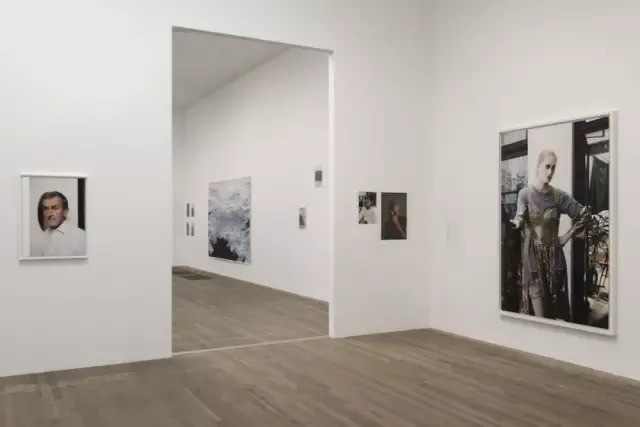
展览现场
“大”与“小”
这次展览延续了提尔门斯典型的排布方式:作品⼤小不一、散落墙面各处,不规则的留白形成呼吸的节奏感。与往常他偏爱的开阔展厅相比,泰特的各个小空间在比例上与作品的对比并不明显,提尔门斯的“破局”方式是宣称每间展厅均为一件“装置”(Installation),常规的第三人称阐释文本被从墙面上转移到导览手册中。这种宣告自然激起了观众对各处细节的观察——图片边缘的⽩边⽐例, 若无装框是以钉子、铁夹还是胶带固定,⽩色门柄是否被重新粉刷、装置的透明亚克力外壳等等——但所获不多。视展厅为装置似乎是艺术家避免“策展”(curating)标签的方式,但作品边界的扩展也意味着艺术家需要做的更多,毕竟“⼤型装置”不仅意味着⼩型元素的拼贴。
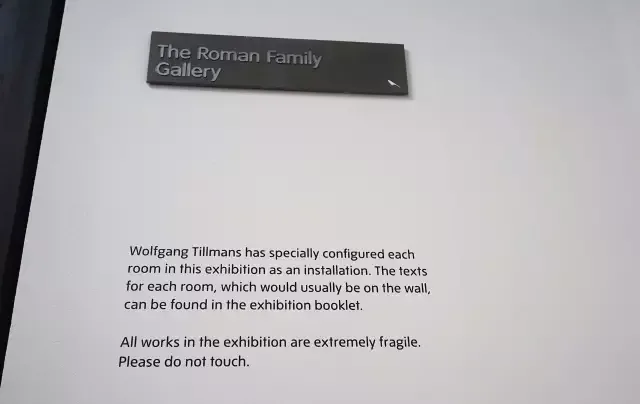
导览手册
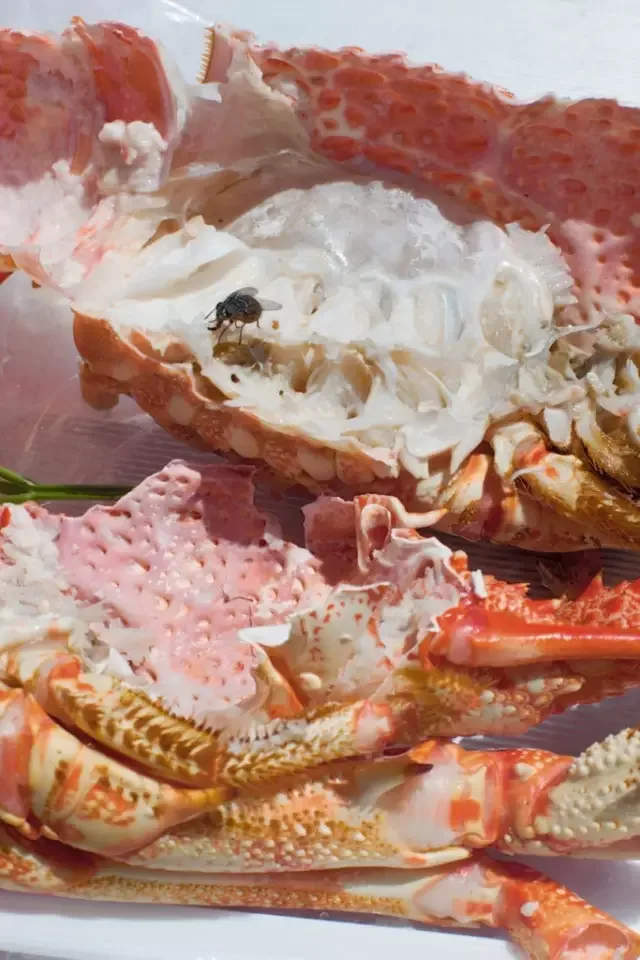
astro crusto, 2012 © Wolfgang Tillmans
“大”与“小”之间的拉锯也出现在展览内容之中。观众仍能看到提尔门斯对生活细节的感性捕捉,并在这些诗意的局部景观中沉浸一会。年轻男孩的身体局部,亲密朋友的肖像,粉色龙虾壳上叮⾷残肉的苍蝇("Astro Crusto" ,2012),澎湃跃下的伊⽠苏瀑布("Iguazu" ,2010),他钟爱的室内草本植物和鹦鹉(艺术家在Angel的工作室也悬挂着⼀一只巨⼤的粉色鹦鹉玩偶)......这些极琐碎、甚至不艺术的照片,是九零年代时作为“时代之眼”的年轻提尔门斯擅长制造的视觉图像的延续。彼时他镜头下萦绕着科技舞曲的夜店及穿梭其中的同志友⼈们大多只出现在i-D等时尚杂志上,这种商业背景让他在获得特纳奖时被批评家马修·柯林斯(Matthew Collings)讲,“我实在不知道为什么提尔⻔斯会被当成一个艺术家。(I have no idea why Tillmans is supposed to be an artist.)”而今天,提尔门斯式的图像已充盈着Instagram,人们习惯了在⽇常生活中复制着他的观看。
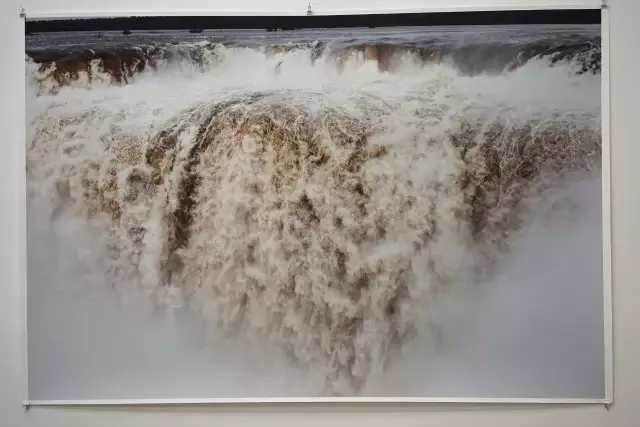
Iguazu,2010,Photo by Xiaoyi Nie
打通一切
2011年,提尔门斯拆开了他十年前用特纳奖金买的彩色打印机,螺丝零件摊满整个工作室,他拍下这件临时装置并在展览中把照⽚放在了第二展厅。提尔门斯常把⾃己的作品描述为“把三维世界带入二维图像”,而他认为印在纸面上的图像也具有三维的空间性,⽽在这维度转化中,吞吐着电⼦信息和彩色墨水的彩色打印机是个重要道具。提尔门斯在它朽坏后检视其内部,也是试图找出转化中的消耗。
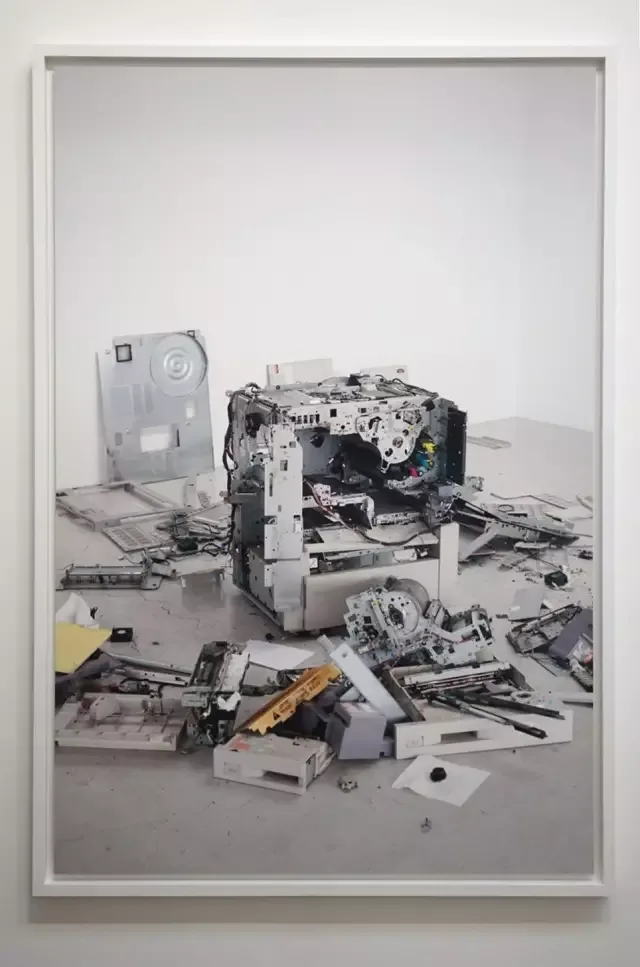
CLC 800,dismantled,2011 © Wolfgang Tillmans
作为试图打通一切的艺术家,提尔门斯转化、通约的不仅是平⾯和雕塑,还有抽象和再现。抽象作品这次占据了展览中的很⼤比例,被和具象作品打乱排布。在暗房中光绘的作品⾥松散线条飘荡缠绕在矩形背景上,像彩色墨汁滴⼊水中,然⽽提尔门斯强调这些线条并不是艺术家的主观选择,而是随机与偶然的呈现。
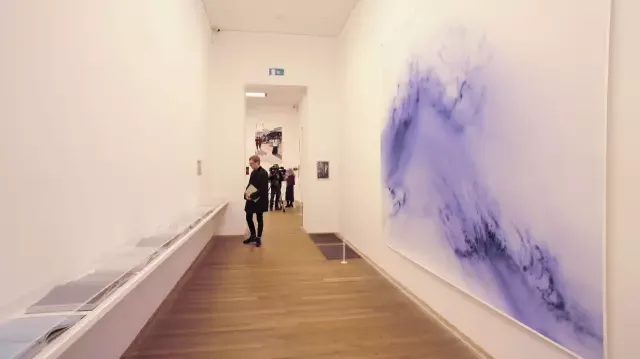
展览现场
至于那些相机完成的抽象作品(⽐如形如水滴的卷起的反光相纸, paper drop Prinzessinnenstrasse,2014)则和他的具象摄影并⽆太大区别,毕竟他⼀直擅长发现⽇常事物的歧异之处。09年开始,提尔⻔斯借项目《新世界》(New Welt)带着数码相机造访中国、 菲律宾、中东等地,而他很坦诚地并不试图深⼊揭示区域问题,反倒轻盈地试图在短暂停留里与事物的浅层形象游戏。⽐起占据提尔门斯大量创作时间的抽象作品,这一系列反而更具趣味。
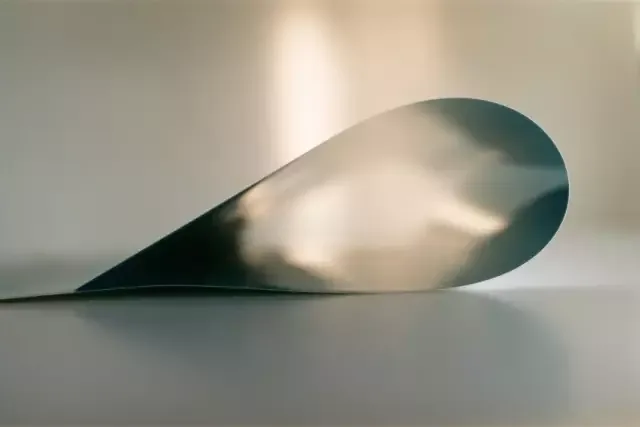
paper drop Prinzessinnenstrasse,2014 © Wolfgang Tillmans.
身在“2017”的紧迫
然⽽饶有趣味并不是艺术家希望提供的唯一气氛,展览标题“2017”无疑是在强调一种身在现场的紧迫感,他希望唤起观众对于当下政治的参与,像他⾃己一样。对提尔⻔斯而言,2003年伊拉克战争摇撼了他对政治的认识,政治和社会议题不仅自此成为他艺术创作的线索之一,他也直接发起了⼀些公民行动。2006年他建立了⾮营利空间Between Bridges促进欧盟内的文化交流(后来,空间从伦敦移去了柏林),去年更直接发起行动“EU Campaign”通过海报鼓励英国民众投票阻止退欧,结局失败, 更让他被⼀些艺评人质疑他是否要转型激进政治艺术(Artivism)。但对提尔⻔斯来说,面对今天的局势他必须先行动起来,当下的紧张容不得他去思考做政治还是做艺术,“我感觉到⼀种⾮做不可的急迫”,他对CNN的记者说。
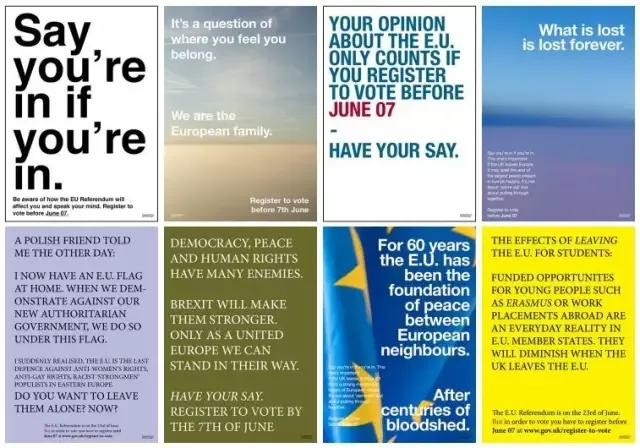
EU Campaign
2017年,英国退欧、特朗普获选、欧盟难民危机加剧、全球右翼上台已经定局,人们用“后真实”(post-truth)来描述今天的社会状况。⽽展览中第4展厅展出的大型装置《真相研究中心(Truth Study Centre)》是提尔门斯自05年至今的⻓期项目。交错的狭⻓简易⽊桌上,网页截图、杂志剪报、绘画、图像被并置在一起,它们传达的信息常彼此攻讦。提尔门斯希望观众能借此思索不同党派如何构建不同叙述,在纷杂的信息里个体该如何保持独立判断并接近真相。相比起那些轻盈、破碎的具象摄影,这⼀套庞大装置更像艺术家在⽤他擅长的拼贴方法来与观众分享⾃己的政治思考,并未考虑多数观众⾯对超量文字信息时往往直接略过。
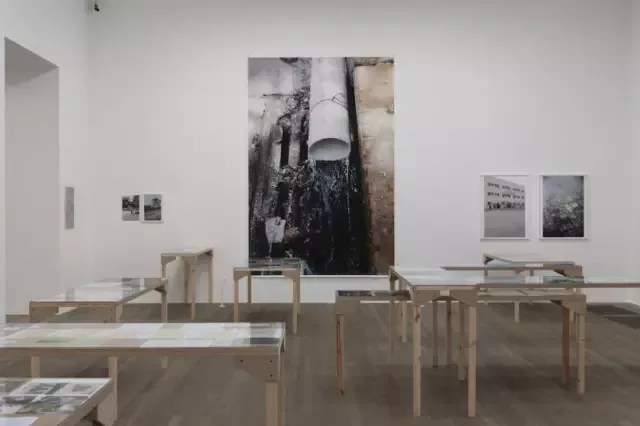
Room 4,Image © Tate Modern showing Wolfgang Tillmans: 2017 at Tate Modern
这间展厅⾥,抽象摄影作品成为了宏大政治命题的墙面背景,而整个展览的氛围上,轻与重、⼩与大也并未融合,更像是尴尬的共处。如艺术家所愿,这件作品轻而易举地让展览带上了政治性,但作品手法上的笨拙可能只让观众觉出艺术家的意图,内容上则⼜直⽩无趣更接近一种⽴场,让艺术家需要时而在采访中提醒观众,展览中不仅有政治,还有诗意。
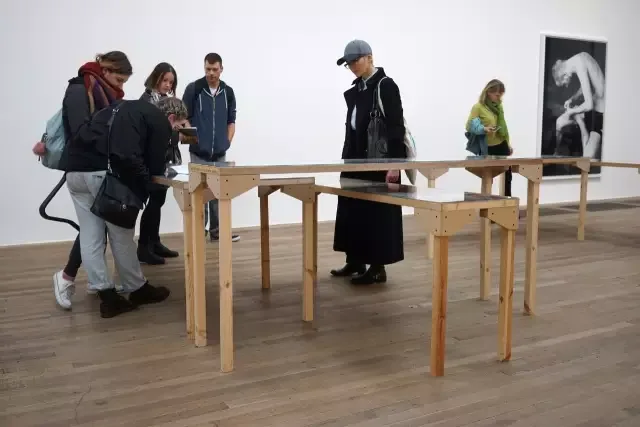
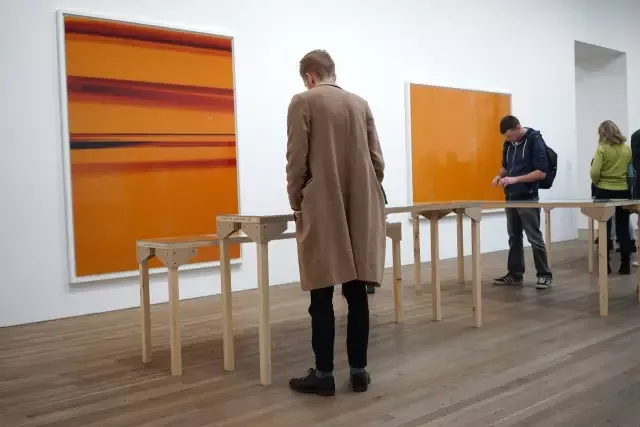
Room 4, Truth Study Centre,© Xiaoyi Nie
声音┉
提尔门斯在去年6⽉发布了⾃己的第一张科技舞曲专辑《2016/1986》。作为一个⻓期乐迷和创作者,他也把音乐纳入了这次泰特展览。第7展厅里的声⾳装置《回放房间(Playback Room)》是提尔门斯的策划实践(curatorial practice),他希望这个装备了⾼端音效系统的房间能充分发挥出灌录音乐的质量,让观众体验到完美的“回放”。循环播放的三首音乐来自提尔门斯喜欢的英国乐队Colourbox,作为乐迷,提尔⻔斯只能通过专辑来聆听这⽀从未进⾏过现场表演的乐队。
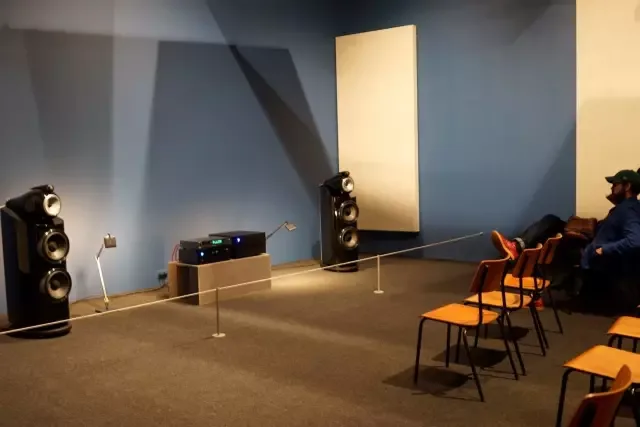
Playback Room,© Xiaoyi Nie
三⽉上旬的几个夜晚里,他还会和一些⾳乐伙伴们把Tate Tank变成音乐现场。提尔门斯在2015年和Tim Knapp、Jay Pluck组成了音乐小组“脆弱”(Fragile,这个词汇也是他在青少年时代对⾃我的命名),并在去年12⽉发布了视听专辑《That’s Desire / Here We Are》。在其中一些写于英国退欧之后的歌词里,提尔门斯写到,“怀疑里我绝望伫立/我们是怎么掉到这摊屎⾥的?(In disbelief I stand despaired/How did we get into this shit?)”
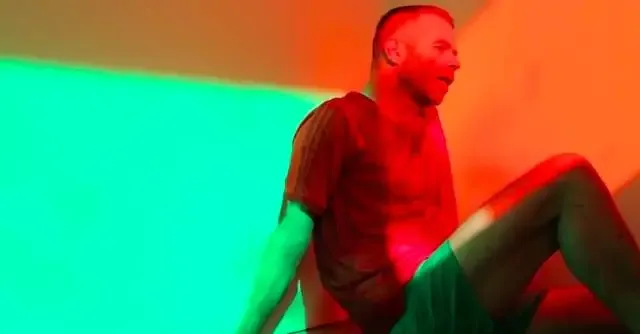
《That’s Desire / Here We Are》的MV截图
回看提尔门斯展览中出现的作品名称——“紧急(Urgency)”、“脆弱(Fragile)”、“更轻” (Lighter)、“新世界”(Neue Welt)、“我们所在的国度”(The State We’re In)——它们透露出艺术家⾯对世界时的态度:敏感,天真,甚至热切。如果我们还记得2003年提尔门斯的泰特不列颠美术馆(Tate Britain)个展名字“如果一件事重要,所有事都重要(if one thing matters,everything matters)”,就能知道他总在努力把自己和周遭世界相连,把他所在的时刻和更广阔的历史相连。在接连介入社会的沮丧之后,48岁的艺术家会怎么继续和此刻的世界相处呢?轻盈还是沉重,诗意还是政治,是2017年的局势,但其实也是提尔门斯⾃己,把他推到了这个选择题前。
Machine translation (AI) of the Chinese original, not yet reviewed by the author. Please cite the original.
Installation view, “Wolfgang Tillmans: 2017”
Seven years after his last show in London, Wolfgang Tillmans’ solo exhibition “2017” opened at Tate Modern on 14 February. It fills fourteen rooms on Level 2 of the museum, facing the chronological Rauschenberg retrospective across the floor, and gathers the digital photographs, installations, electronic music and video Tillmans has made since winning the Turner Prize in 2000. His signature gaze at everyday moments is woven together with his recent engagement with political issues, sketching a mid-life change in the 48-year-old German artist.
Installation view
“Big” and “Small”
The exhibition keeps to Tillmans’ typical way of hanging: works of all sizes scattered across the walls, with irregular stretches of blank wall creating a breathing rhythm. Compared with the open halls he usually prefers, Tate’s smaller rooms don’t set up much of a contrast in scale with the works. Tillmans’ way of breaking the deadlock is to declare each room an “installation”, and the usual third-person interpretive texts have been moved off the walls and into the exhibition guide. Naturally, this declaration prompts visitors to scrutinise every detail – the proportion of white border around each print; whether unframed pictures are held up with nails, bulldog clips or tape; whether the white door handles have been repainted; the clear acrylic cases of the installations, and so on – but it doesn’t yield much. Treating each room as an installation seems to be the artist’s way of avoiding the label of “curating”. But expanding the boundaries of the work also means the artist has to do more: a “large-scale installation” has to be more than a collage of small elements.
The exhibition guide
astro crusto, 2012 © Wolfgang Tillmans
The tug-of-war between “big” and “small” also runs through the content of the show. Visitors can still find Tillmans’ sensitive capturing of life’s details and linger for a while in these poetic, partial landscapes: fragments of young men’s bodies, portraits of close friends, flies feeding on scraps of meat in a pink lobster shell (astro crusto, 2012), the roaring plunge of the Iguazu Falls (Iguazu, 2010), the houseplants and parrots he loves (a huge pink toy parrot also hangs in the artist’s studio in Angel)… These extremely trivial, even unartistic photographs continue the kind of images the young Tillmans excelled at in the 1990s, when he was hailed as “the eye of his generation”. Back then, the clubs thick with techno and the gay friends moving through them in his pictures mostly appeared in fashion magazines such as i-D. That commercial background led the critic Matthew Collings to remark, when Tillmans won the Turner Prize: “I have no idea why Tillmans is supposed to be an artist.” Today, Tillmans-style images flood Instagram, and people routinely reproduce his way of looking in their everyday lives.
Iguazu, 2010, Photo by Xiaoyi Nie
Connecting everything
In 2011, Tillmans took apart the colour printer he had bought with his Turner Prize money ten years earlier. Screws and parts covered the whole studio; he photographed this temporary installation, and the picture hangs in the second room of the show. Tillmans often describes his work as “bringing the three-dimensional world into two-dimensional images”, and he believes that images printed on paper also have a three-dimensional spatiality. In this translation between dimensions, the colour printer – swallowing electronic data and spitting out coloured ink – is a crucial prop. By examining its insides after it broke down, Tillmans was also trying to find out what gets used up in the translation.
CLC 800, dismantled, 2011 © Wolfgang Tillmans
As an artist who tries to connect everything, Tillmans translates and reconciles not only the flat image and sculpture but also abstraction and representation. Abstract works take up a large share of this exhibition, hung in among the figurative ones. In the pieces made by drawing with light in the darkroom, loose lines drift and tangle across rectangular grounds, like coloured ink dropped into water. Yet Tillmans stresses that these lines are not the artist’s subjective choices but the outcome of chance and accident.
Installation view
As for the abstract works made with a camera (such as the curled, reflective photographic paper shaped like a water drop in paper drop Prinzessinnenstrasse, 2014), they are not so different from his figurative photographs – he has always been good at finding the strangeness in everyday things. From 2009, for the project Neue Welt (New World), Tillmans took a digital camera to China, the Philippines, the Middle East and elsewhere. He was quite candid that he wasn’t trying to delve deeply into regional issues; instead he played lightly with the surface appearance of things during brief stays. Compared with the abstract works that take up so much of Tillmans’ time, this series is actually more engaging.
paper drop Prinzessinnenstrasse, 2014 © Wolfgang Tillmans.
The urgency of being in “2017”
But being engaging is not the only atmosphere the artist wants to offer. The exhibition title, “2017”, clearly stresses a sense of urgency about being here, now; he wants to rouse visitors to take part in present-day politics, as he does himself. For Tillmans, the 2003 Iraq War shook his understanding of politics. From then on, political and social issues became one of the threads running through his art, and he also launched some civic actions directly. In 2006 he set up the non-profit space Between Bridges to promote cultural exchange within the EU (the space later moved from London to Berlin). Last year he went further and launched an “EU Campaign”, using posters to encourage the British public to vote against leaving the EU. It failed, and it led some critics to question whether he was turning into a radical political artist, an “artivist”. But for Tillmans, faced with today’s situation, he had to act first; the tension of the moment left no room for weighing whether he was doing politics or doing art. “I felt an urgency that I had to do it,” he told a CNN reporter.
EU Campaign
In 2017, Brexit, Trump’s election, the worsening refugee crisis in the EU and the rise of the right around the world are all done deals, and people use the term “post-truth” to describe the state of society. The large installation Truth Study Centre, shown in Room 4, is a long-term project Tillmans has pursued since 2005. On long, narrow, criss-crossing plain wooden tables, screenshots of web pages, magazine cuttings, drawings and images are laid side by side, and the messages they carry often attack one another. Tillmans hopes visitors will use it to think about how different parties construct different narratives, and how an individual can keep an independent judgement amid the noise of information and get closer to the truth. Compared with his light, fragmentary figurative photographs, this huge installation is more like the artist using his favourite method, collage, to share his political thinking with the audience – without considering that most visitors, faced with an excess of text, tend simply to skip it.
Room 4, Image © Tate Modern showing Wolfgang Tillmans: 2017 at Tate Modern
In this room, the abstract photographs become a wall backdrop for grand political themes. And across the exhibition as a whole, light and heavy, small and big never really merge; they coexist rather awkwardly. As the artist intended, this work easily lends the exhibition a political character. But its clumsy execution may only make the viewer aware of the artist’s intentions, while its content is so blunt and dull that it amounts to a stance – so much so that the artist has at times had to remind people in interviews that the exhibition contains not only politics but also poetry.
Room 4, Truth Study Centre, © Xiaoyi Nie
Sound┉
Last June, Tillmans released his first techno record, 2016/1986. A long-time music lover and maker, he has also brought music into the Tate exhibition. The sound installation Playback Room in Room 7 is Tillmans’ curatorial practice: he hopes this room, equipped with a high-end sound system, will bring out the full quality of recorded music and let visitors experience a perfect “playback”. The three tracks on loop are by Colourbox, a British band Tillmans loves; as a fan, he could only ever listen to the band through their records, since they never played live.
Playback Room, © Xiaoyi Nie
On several evenings in early March, he will also turn the Tate Tanks into a live music venue with some of his musical collaborators. In 2015 Tillmans formed the music group Fragile with Tim Knapp and Jay Pluck (“Fragile” was also the name he gave himself as a teenager), and last December they released the visual album That’s Desire / Here We Are. In some lyrics written after the Brexit vote, Tillmans writes: “In disbelief I stand despaired / How did we get into this shit?”
Still from the video for That’s Desire / Here We Are
Look back at the titles of the works in Tillmans’ exhibition – Urgency, Fragile, Lighter, Neue Welt, The State We’re In – and they reveal the artist’s attitude towards the world: sensitive, naive, even ardent. If we remember the title of Tillmans’ 2003 solo show at Tate Britain, “if one thing matters, everything matters”, we can see that he has always tried hard to connect himself to the world around him, and the moment he is living in to a broader history. After the frustrations of repeatedly intervening in society, how will the 48-year-old artist go on living with the world as it is now? Lightness or weight, poetry or politics: it is the situation of 2017, but really also Tillmans himself, that has put this multiple-choice question in front of him.