Writing / essay · 2018 · 中文
Bathroom of One's Own一个人的卫生间
浴缸是世界里的一块飞地:在伦敦的出租屋里泡澡,想起伍尔夫要的一个人的房间。
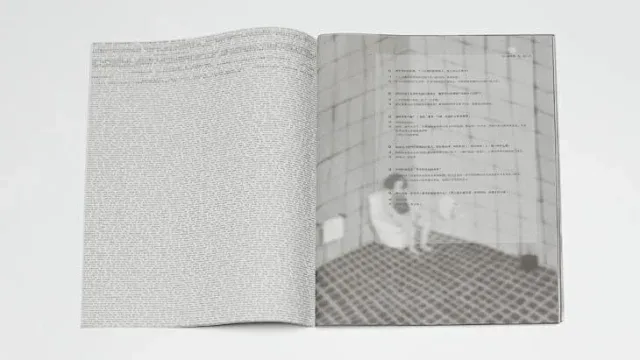
浴缸不大,水位涨到边沿了,蜷起腿时一双膝盖像浮动的裸色冰山,耸立着。塑料泛黄的花洒挂在高处,大粒的水珠砸到蓝色水面上吵吵闹闹。抬起脚在空中迎接下堕的水流,指甲内缘的肉居然有点痛,是一股微弱的痒接到了肢端,没危险却会上瘾。
关上水阀的时刻,好安静。黄玠的歌这时真合适啊,成年人的少年烦恼,一桩桩小事,贵在诚恳。“最近的天气不太好,每天都下雨,眼睛都下雨。” 有些突然冒出来的话,不足道的想法,诸如“想送你一杯黑咖啡”这样的,憋在嘴边时就是寂寞。他讲的台北不太忙碌的生活,和我在伦敦的焦灼模样并不相像。但浴缸是世界里的一块飞地,我蹲在这里放下脑子、观察身体,听人念叨一些我日程表外的烦恼,我听一整张专辑的音乐而无法切歌,有句子冒出来,想起伍尔芙想要的一个人的房间和一笔钱,才能做写小说的女人,我也需要一个人的卫生间,做个都市人,打开门,穿上浴袍,过生活。
朱德庸的《涩女郎》里有一节有关浴室。万人迷在浴缸里悠哉泡澡,男人婆、结婚狂和天真妹接连来哀嚎锤门要厕所,最后一帧是挂面卷发遮住半张尖脸的万人迷,一手夹烟一边吐感慨,“和一群假女人生活在一个屋檐下真累。” 对这个情节的理解,到英国后公寓里有了浴缸才开始。从前高中大学,女生们在没隔间的大澡堂里一起滴着澡卡倒计时,只能偷偷闭上眼睛等水流滚过睫毛。跟父母住和同居时,又羞于承认要在卫生间很久,也害怕卫生间突然被叩响,害怕自己突然要说话。是,一个人的卫生间,是对全世界的拒绝。城市里复杂的轨道交织连接,而卫生间不通往任何地方,你来,它就带你沉溺在细微的身体感受里,且心安理得,热水温热,脖颈褶皱,背脊疙瘩,腰腹软塌塌的脂肪,瓷砖冰凉,打过来的音符不需要分解,做梦,不负责任,哭泣或大笑,都可以。发呆,被日程表抛弃被微信联络人忘记被人们的眼神隔离,留下的就是一个空荡荡的自己,安全满意,望着墙缝生出的乌黑霉斑,拨开浮起的泡沫是蓝色的水面,天花板高高低低高高。老房子的好处是充满细节,它正衰朽所以不无聊。蛾子忽而撞向灯泡,昏黄色灯光一闪,忽而掠过马桶盖,消失在窗户漏着的缝隙。
《荒人手记》第38页,信仰护肤美容的高鹦鹉在他宏大的浴室隔间里指点着瓶瓶罐罐与“我”细说,海泥、海盐、海藻、海水疗法,氨基酸,锌钙钾,镇定神经,恢复活力。我的浴室里也有,生姜洗发,椿花护发,火山泥磨砂。我还未像高鹦鹉涂抹精油裹紧保鲜膜,不过养身护肤带来的安然自足却是成长里的一大发现。门外世界波澜壮阔难以捉摸,门内细心调控皱纹痘印的深深浅浅,苏格拉底言,“了解你自己!”,又讲,“未经审视的生活不值得过”,我在低中高等教育二十年后发现,了解自己即是照看身体,同样是皮囊和脸庞,沙漠皮或大油田,三庭五眼何比例,激素高低,酒精过敏否,一道道题目如此确实,不像心底困惑。它们一定有答案,是就算西天取经也望得到的西天。
我并不厌恶人,甚至妄想泯然于人群,傍晚时意气风发地跑步向夕阳或丧家犬般在街上乱走,但人总要回家,回到家也想要一处可以塌陷的地方。室内空间命名僵硬可笑,客厅无客,卧室囤积包装盒,在厨房依偎烤箱读书,哪里都有网络和触屏键盘,被群对话追杀,或追踪动辄上百条的群对话,令人依赖又止不住疲惫。做项目时每日睡前过第二日待办事项,把白昼大小事如拧螺丝钉般旋入大脑,神经绷绷紧,要每天吃三片姜黄色的维生素B,保持心态稳定。我等待、算计,在一个室友离开的下午或夜晚,带蓝牙音响到卫生间,把怕水的电子设备们丢在客厅、卧室、厨房,把螺丝在洗发磨砂沐浴里一颗颗拧出来,神经松松开,拉伸、回旋、弹跳,都可以。神经踩着空气跳舞时,会想起罗马浴室,如今在土耳其还有遗迹。罗马人的浴室有恢宏的圆形穹顶,图书室,餐厅,桑拿间,长方形温泉池围一圈大理石柱,与建筑相比渺小的贵族们三三两两相见欢。但哈德良皇帝的浴室可以是一个人的,他会在热汤里出神思索,希腊少年安提诺乌斯凝神望他,直到少年自己奉身河神。
提起不锈钢塞,水流便汩汩下沉,手指摸过去和头发一起被水压钉在横栏上,挂在人间。下水道口已结成黑网的落发,薄薄一片,捞出来小心翼翼贴到白瓷砖上,再开水阀,微凉水流冲刷过身体,像黄粱一梦告一终结。没有情节,只是尘埃离尽,看自己干干净净,想向空气里的蚊蝇与水汽鞠躬,想裸身走出去,胡乱地跳跳舞。
Machine translation (AI) of the Chinese original, not yet reviewed by the author. Please cite the original.
The bath isn’t big, and the water has risen to the rim. When I draw up my legs, my two knees stand proud like floating, skin-coloured icebergs. The yellowed plastic shower head hangs up high, and fat drops of water smack noisily onto the blue surface. I lift a foot into the air to meet the falling stream, and the flesh under the edge of my toenails actually hurts a little – a faint itch reaching all the way to my extremities, harmless but addictive.
The moment I turn off the tap, it’s so quiet. This is exactly the time for Huang Chieh’s songs: grown-ups’ teenage worries, one small thing after another, precious because they’re sincere. “The weather hasn’t been great lately, it rains every day, it rains in my eyes.” Sudden, trivial thoughts that just pop out – things like “I want to buy you a black coffee” – are loneliness when they’re held back on the tip of your tongue. The not-so-busy life in Taipei he sings about looks nothing like my frazzled self in London. But the bathtub is an enclave in the world. Crouched here, I put my brain down and watch my body, listen to someone muttering about worries that aren’t on my schedule, listen to a whole album without being able to skip a track. Sentences surface. I think of Woolf, who said a woman needs a room of her own and money of her own to write fiction – and I need a bathroom of my own, to be a city dweller: to open the door, put on a bathrobe, get on with life.
Zhu Deyong’s comic strip Sexy Girls (《涩女郎》) has an episode about the bathroom. Miss Irresistible is having a leisurely soak in the tub while Tomboy, Marriage-Mad and Little Innocent take turns wailing and hammering on the door, desperate for the loo. In the last frame, Miss Irresistible, with curtain-straight hair and permed ends hiding half of her pointed face, holds a cigarette in one hand and sighs: “Living under one roof with a bunch of fake women is so tiring.” I only began to understand that scene after I came to Britain and had a flat with a bathtub. Back in high school and university, we girls showered together in big communal bathhouses without cubicles, watching the credit on our shower cards drip away, and all I could do was secretly close my eyes and wait for the water to roll over my lashes. Living with my parents, and later living with a partner, I was too embarrassed to admit I wanted to spend a long time in the bathroom, and afraid of a sudden knock on the door, afraid of suddenly having to speak. Yes: a bathroom of one’s own is a refusal of the whole world. The city’s tracks weave and link in complicated ways, but the bathroom leads nowhere. You come in, and it takes you down into the tiny sensations of the body, with a clear conscience: hot water warm, creases at the neck, bumps along the spine, the soft slump of fat around the belly, tiles cold, musical notes arriving that don’t need to be analysed. Dreaming, being irresponsible, crying or laughing – anything goes. Staring into space, abandoned by the schedule, forgotten by my WeChat contacts, cut off from people’s eyes, what’s left is an empty self, safe and content, gazing at the black mould growing in the cracks of the wall. Brush aside the floating foam and there is the blue water; the ceiling goes high, low, high, high. The good thing about an old house is that it’s full of detail – it is decaying, so it’s never boring. A moth suddenly bumps into the bulb and the dim yellow light flickers; then it skims over the toilet lid and vanishes through the gap in the leaky window.
On page 38 of Notes of a Desolate Man, Parrot Gao, a true believer in skincare and beauty, stands in his grand bathroom cubicle pointing out his jars and bottles to the narrator, explaining them in detail: sea mud, sea salt, seaweed, thalassotherapy, amino acids, zinc, calcium, potassium – soothing the nerves, restoring vitality. My bathroom has them too: ginger shampoo, camellia conditioner, volcanic-mud scrub. I haven’t yet got to the point of slathering on essential oils and wrapping myself tightly in cling film like Parrot Gao, but the calm self-sufficiency that comes from looking after my body and skin has been one of the big discoveries of growing up. Outside the door, the world is vast and turbulent and impossible to grasp; inside, I carefully manage the depth of every wrinkle and acne mark. Socrates said, “Know thyself!”, and also, “The unexamined life is not worth living.” After twenty years of primary, secondary and higher education, I’ve discovered that knowing yourself means looking after your body. Same skin and bones, same face – desert-dry skin or an oil field? Do your features fit the classical proportions of “three courts and five eyes”? Hormones high or low? Allergic to alcohol or not? Each question is so definite, not like the confusion deep in your heart. They must have answers. They are the Western Heaven you can see from the road, even if you have to make the whole pilgrimage of the Journey to the West to get there.
I don’t dislike people. I even fancy disappearing into the crowd – at dusk, running into the sunset full of spirit, or wandering the streets like a stray dog. But everyone has to go home in the end, and at home you want a place where you can collapse. The names of the rooms indoors are stiff and absurd: a living room with no one living in it, a bedroom stockpiling packaging boxes, reading while snuggled up to the oven in the kitchen. There’s internet and a touchscreen keyboard everywhere; you are hunted down by group chats, or chase after group chats that run to a hundred messages at a time – you depend on them, and you can’t stop being worn out by them. When I’m working on a project, every night before bed I run through the next day’s to-do list, twisting the big and small things of the day into my brain like screws, nerves wound tight, and I have to take three turmeric-yellow vitamin B tablets a day to keep my mind steady. I wait, I calculate, and on an afternoon or evening when my flatmates are out, I take a Bluetooth speaker into the bathroom, leave my water-shy electronic devices behind in the living room, bedroom and kitchen, and unscrew the screws one by one in the shampoo, scrub and shower gel, nerves loosening – stretching, spinning, bouncing, anything goes. When my nerves are dancing on air, I think of the Roman baths, whose ruins still survive in Turkey today. The Romans’ baths had grand domes, libraries, dining rooms, saunas, and long rectangular hot pools ringed with marble columns, where nobles, tiny beside the architecture, met in twos and threes and enjoyed one another’s company. But the Emperor Hadrian’s bath could be a bath of one’s own. He would drift off into thought in the hot water, while the Greek youth Antinous gazed at him intently – until the youth gave himself up to the river god.
I pull up the steel plug and the water gurgles away. My fingers follow it, and are pinned with my hair against the crossbar by the water pressure, hanging on to the human world. At the plughole, the shed hair has already knotted into a thin black net; I fish it out and carefully stick it onto the white tiles. Then I turn the tap on again, and a cool stream washes over my body, like waking from the Yellow Millet Dream. There’s no plot, only the dust all gone, and seeing myself clean, I want to bow to the mosquitoes, the flies and the steam in the air, I want to walk out naked and dance around, any old how.